2026-11-20 ·
Preparing Your Roof for Hurricane Season in Marco Island
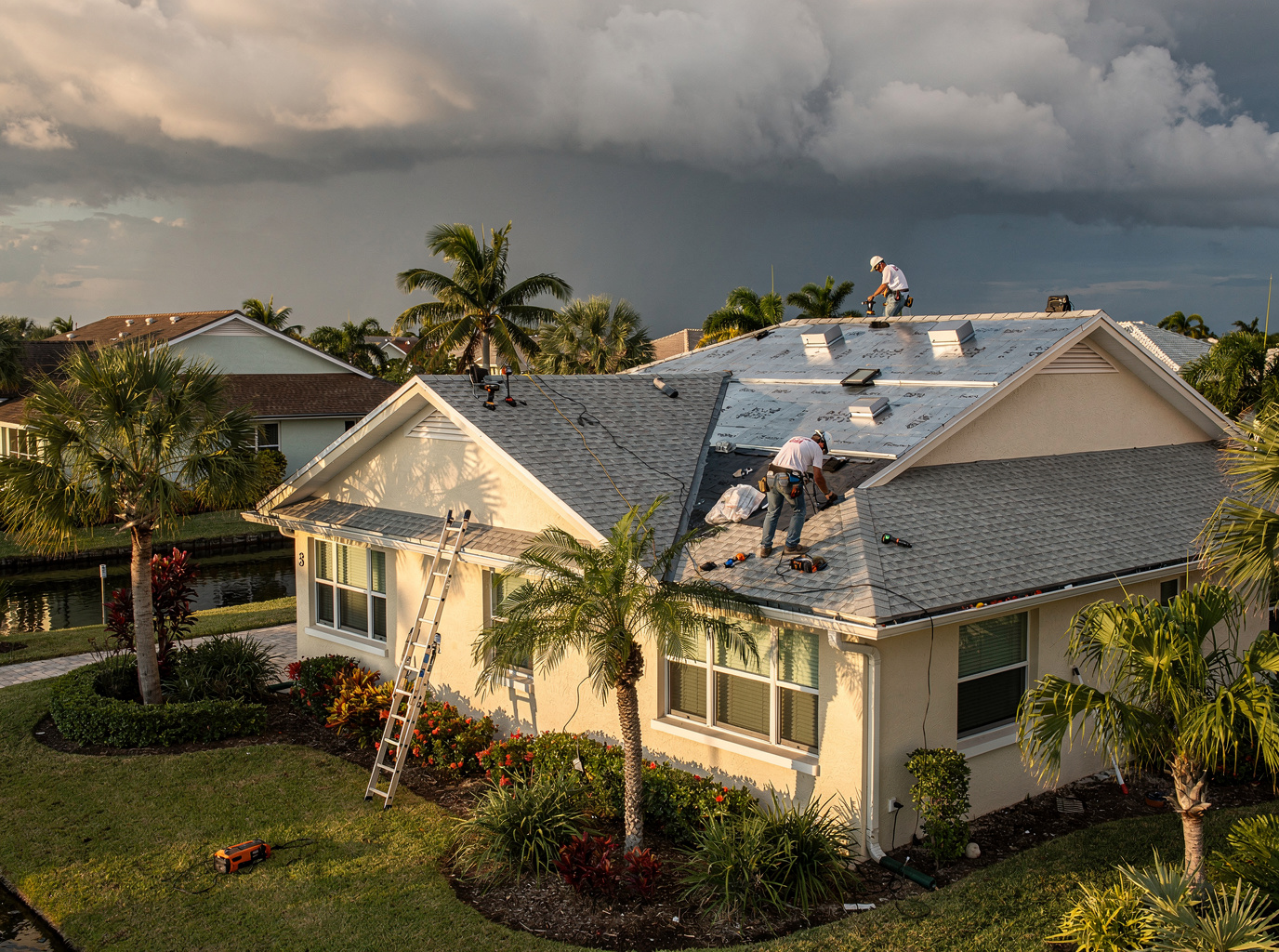
Start preparations 4–6 weeks before hurricane season begins in June by scheduling a full roof inspection and addressing any loose flashing or aged sealants. Homes across Marco Island, including those in Olde Marco and near Tigertail Beach, experience repeated exposure to high winds and driving rain that exploit small weaknesses in tile or shingle systems. The tropical climate brings hot, humid summers followed by warm winters, which accelerates material fatigue through constant moisture cycling and salt deposition from nearby Gulf waters. Owners in Marco Shores and Goodland often notice granule loss or lifted edges after just one active season, making proactive checks essential rather than reactive repairs after landfall.
Assessing Roof Vulnerabilities in Collier County
Marco Island properties built before 2000 commonly feature older tile or asphalt shingle roofs that predate current wind-load standards. In neighborhoods like Olde Marco, these roofs sit lower to the ground and catch more debris from surrounding vegetation during storms. Salt air accelerates corrosion on metal flashing and fasteners, a process worsened by the area's consistent humidity. Walk the perimeter after heavy summer rains to spot water stains in attics or displaced tiles along ridges. Check gutters for blockages that force water under eaves during wind-driven rain. Document any cracked underlayment or rusted clips with photos for reference. Residents near the Collier County Courthouse Annex or Marco Island Historical Museum report similar patterns of edge lifting on west-facing slopes due to prevailing storm tracks. These observations help prioritize work before winds exceed 40 mph.
Steps to Secure Your Roof Before Storms
Begin by tightening or replacing any loose screws and clips on tile roofs, focusing on the first three courses nearest the eaves where uplift starts. Apply fresh sealant around pipe boots and skylights using products rated for 180 mph winds. Trim overhanging tree branches within 10 feet of the roofline to reduce impact damage from flying limbs common in Tigertail Beach yards. Install additional hurricane clips on gable ends if missing, especially on homes in Marco Shores where open exposure increases wind pressure. Replace missing ridge cap tiles and verify that all flashing remains seated against the wall. These measures reduce the chance of progressive failure once sustained winds reach 60–75 mph. Keep records of all work performed so insurance adjusters can verify pre-storm condition.
Addressing Salt Air and Humidity Effects
Persistent salt spray from the Gulf combines with high summer humidity to corrode aluminum and galvanized components within 5–8 years on many Marco Island roofs. Homeowners in Olde Marco notice white powdery residue on fasteners long before leaks appear. Schedule annual cleaning of metal surfaces with fresh water to slow this process. Consider upgrading to stainless-steel screws during any repair visit. The same humidity that drives algae growth also softens sealants faster than in drier inland counties. Maintaining roofs against salt air corrosion in Marco Island explains how to extend service life in this environment. Pair that approach with regular roof maintenance visits timed before June.
When to Schedule Professional Support
Contact a local crew for a roof inspection if you observe more than five displaced tiles or active leaks after spring rains. Professional teams familiar with Collier County codes can install code-compliant ridge vents and verify decking attachment in one visit. If a storm has already passed, request storm damage restoration assessment within 48 hours to document wind scouring versus wear. Crews based at 74 Front St Unit 4 operate Monday through Friday 8am–6pm and Saturday 9am–2pm, allowing same-week scheduling during peak season. Early coordination prevents longer wait times once forecasts show named storms approaching from the southeast.