2026-11-20 ·
Understanding Marco Island Wind Load Requirements for Roofs
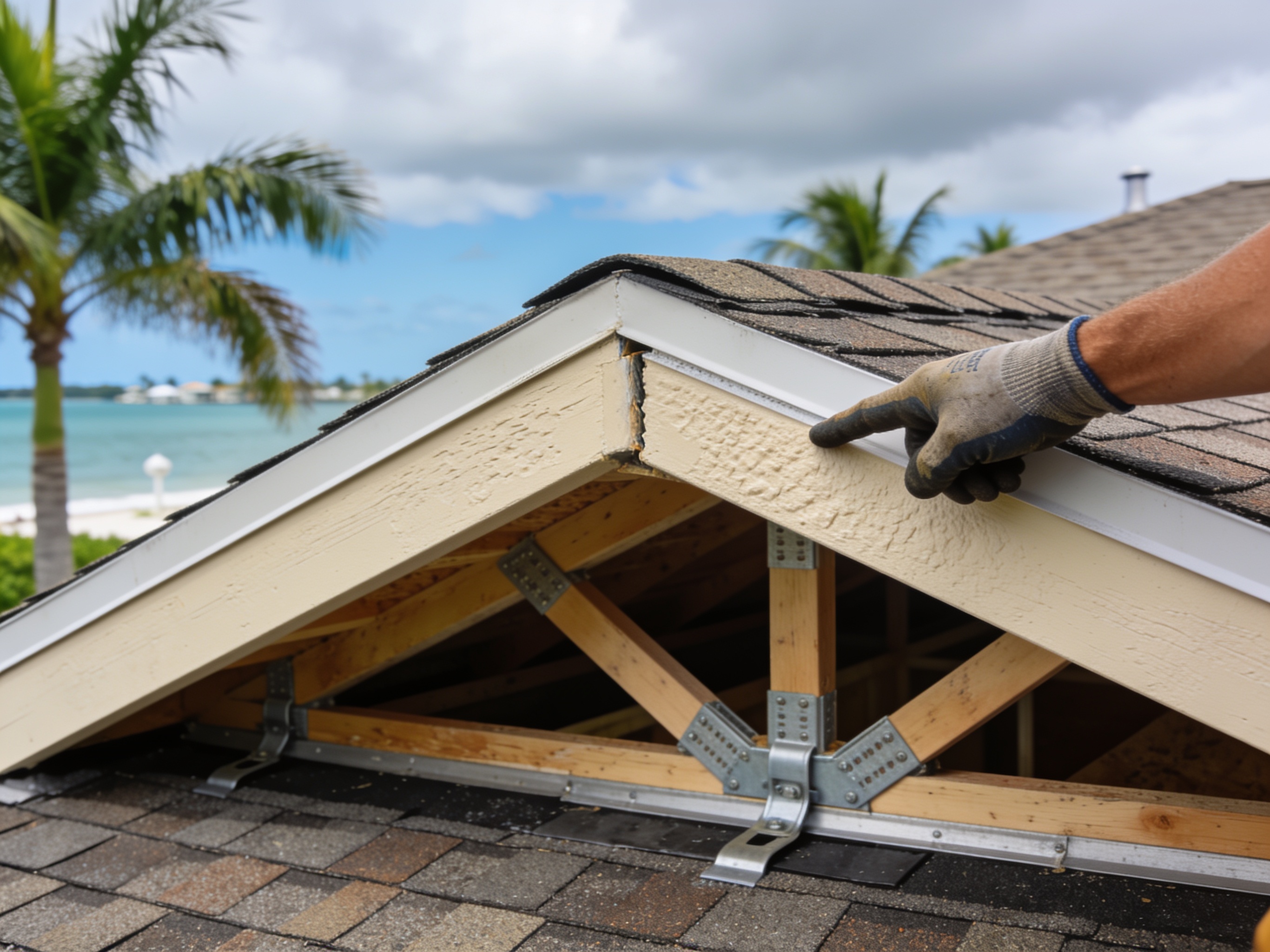
Marco Island roofs must meet Florida Building Code requirements for basic design wind speeds of 150 mph in exposure C conditions. These loads apply across coastal zones including Olde Marco and Tigertail Beach where open water exposure increases uplift forces on roof decks. The code also requires enhanced fastening in high-velocity hurricane zones that cover most of Marco Island and nearby Goodland.
Florida Building Code Wind Load Standards
The 2021 Florida Building Code Residential sets the baseline for Marco Island at 150 mph ultimate wind speed for most parcels. Exposure C applies to the majority of waterfront and near-shore properties in Tigertail Beach and Marco Shores because of open terrain and water fetch. Exposure B may apply only in the most sheltered inland pockets of Olde Marco where mature tree cover reduces wind. Design pressure calculations for roof zones use these speeds plus topographic factors that rise slightly near the Collier County Courthouse Annex area. Roof assemblies must resist both positive and negative pressures that peak at corners and eaves. Contractors calculate these values using ASCE 7 methods before selecting sheathing thickness and fastener schedules. Older homes built before the 2002 code updates often fall short of current 150 mph requirements and need upgrades during reroofing.
Impact on Common Roofing Materials in Collier County
Tile roofs common in Marco Shores must use enhanced clip systems and mortar or foam adhesive to resist 150 mph winds. Asphalt shingles require six-nail patterns plus starter strips rated for high-wind zones. Metal panels need 1-inch minimum seam heights and screw spacing no greater than 12 inches on center along edges. These material-specific rules change the installation sequence on homes near Tigertail Beach where salt air accelerates corrosion of standard fasteners. In Naples-adjacent neighborhoods, crews often switch to stainless-steel screws on metal roofs to maintain long-term holding power. Wind-driven rain testing also factors into approval because tropical humidity and sudden gusts during summer storms can force water under underlayment if seams are not sealed correctly.
Installation Adjustments for Neighborhoods like Olde Marco and Tigertail Beach
Homes in Olde Marco frequently feature barrel tile over wood decks that require additional plywood clips and ring-shank nails spaced at 4 inches on center along perimeter zones. Tigertail Beach properties face direct Gulf exposure so crews add extra rows of ridge vents rated for 150 mph and seal all flashing with high-temperature butyl tape. Marco Shores developments built in the 1990s often have truss spacing that demands sistering or added blocking before new sheathing can meet current load tables. These adjustments add time but prevent deck blow-off during named storms. Crews working near the Marco Island Historical Museum routinely inspect for rotted fascia that reduces the effective wind load path from roof to wall.
Inspection and Upgrade Triggers After Storms
After any tropical system, owners in Collier County should schedule inspections that check for loosened tiles, lifted shingles, and compromised underlayment along eaves. Storm damage restoration crews document wind uplift marks that indicate whether the original fastening met 150 mph standards. Roof repair teams then replace individual failed components before full replacement becomes necessary. Properties in Marco Shores that show repeated shingle loss often benefit from switching to metal roofing systems engineered for higher uplift. Readers can also review how to spot wind-driven rain damage on Marco Island roofs for early warning signs before leaks appear inside the home.
Practical Steps for Homeowners Planning Roof Work
Obtain the specific wind load calculations from a local engineer before ordering materials so the assembly matches the 150 mph exposure C requirement for your parcel. Verify that the chosen underlayment carries a Florida product approval listing for the design pressures calculated for your roof zones. Schedule work between November and April when humidity is lower and afternoon thunderstorms are less frequent. Check that all flashing details at chimneys and skylights use 26-gauge metal with 2-inch overlaps sealed for high-wind conditions. Keep records of the fastening schedule used because future insurance claims may request proof that the roof met current Collier County standards.